IT Process Improvement & Automation in DFW
Most IT environments grow faster than the processes that run them. Tools get added, workflows get inherited, and before long your team is spending real hours on tasks a well-configured system could handle in seconds. We help you find that waste, eliminate it, and put documented, repeatable processes in its place.
What we do
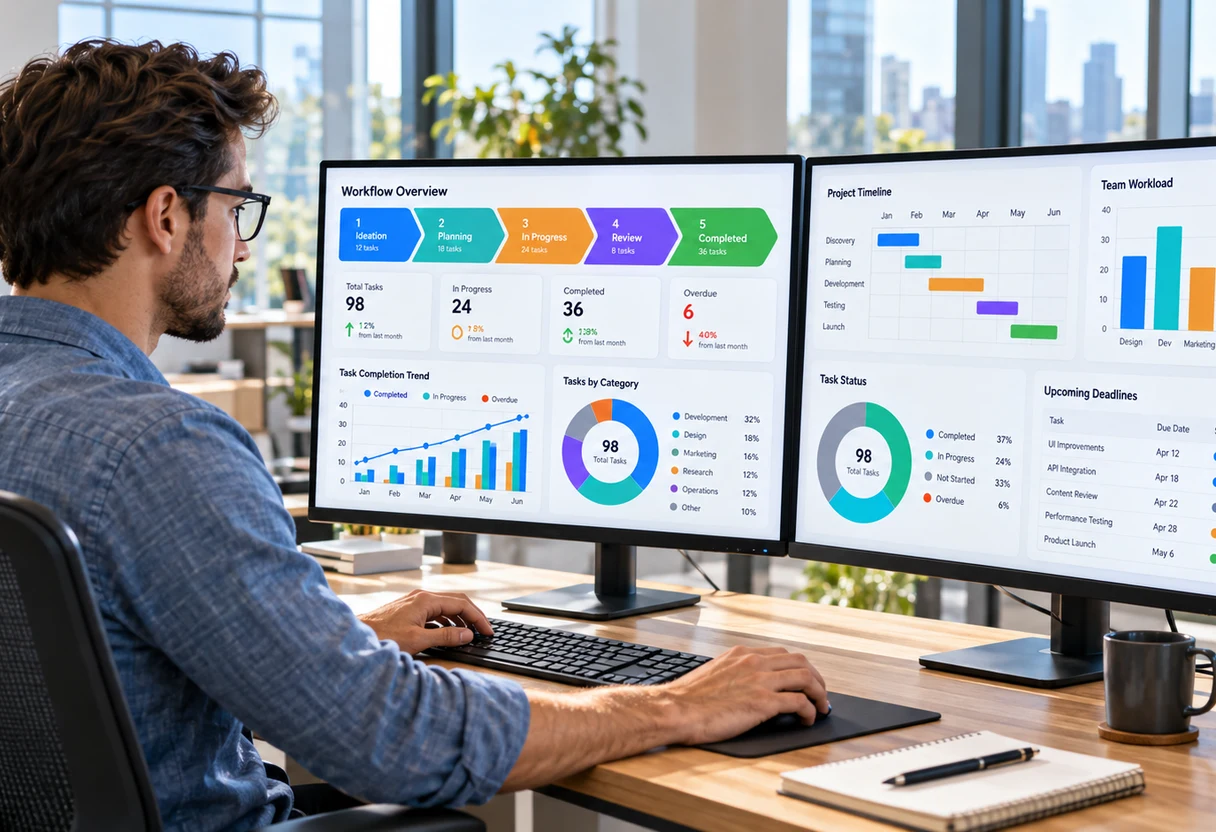
We start by understanding how work actually moves through your organization, not how it's supposed to move on paper. That means sitting with your team, mapping existing workflows end to end, and identifying where manual steps, redundant tools, or undocumented hand-offs are costing time and creating risk. From there, we design targeted improvements: automating repetitive tasks, consolidating overlapping systems, and building the runbooks and process documentation that keep things running consistently whether or not a specific person is in the room.
This work is grounded in ITIL-aligned service management practices, not because frameworks are an end in themselves, but because structured incident, change, and request processes measurably reduce errors and response time. We adapt the framework to fit your environment rather than forcing your environment to fit the framework.
Where automation is concerned, we take a tool-agnostic, right-sized approach. That might mean scripting routine IT maintenance tasks, wiring together your existing platforms with lightweight integration logic, or applying AI-assisted tooling to tasks like ticket classification or alert triage. The goal in every case is the same: fewer manual touchpoints, fewer human errors, and faster outcomes for the people depending on your IT systems.
What's included

Workflow mapping and analysis
- End-to-end documentation of current IT and business workflows in your actual environment
- Identification of redundant steps, manual hand-offs, and bottlenecks slowing throughput
- Gap analysis against documented or implied service-level expectations
- Prioritized improvement roadmap based on effort, risk, and operating impact
Automation design and implementation
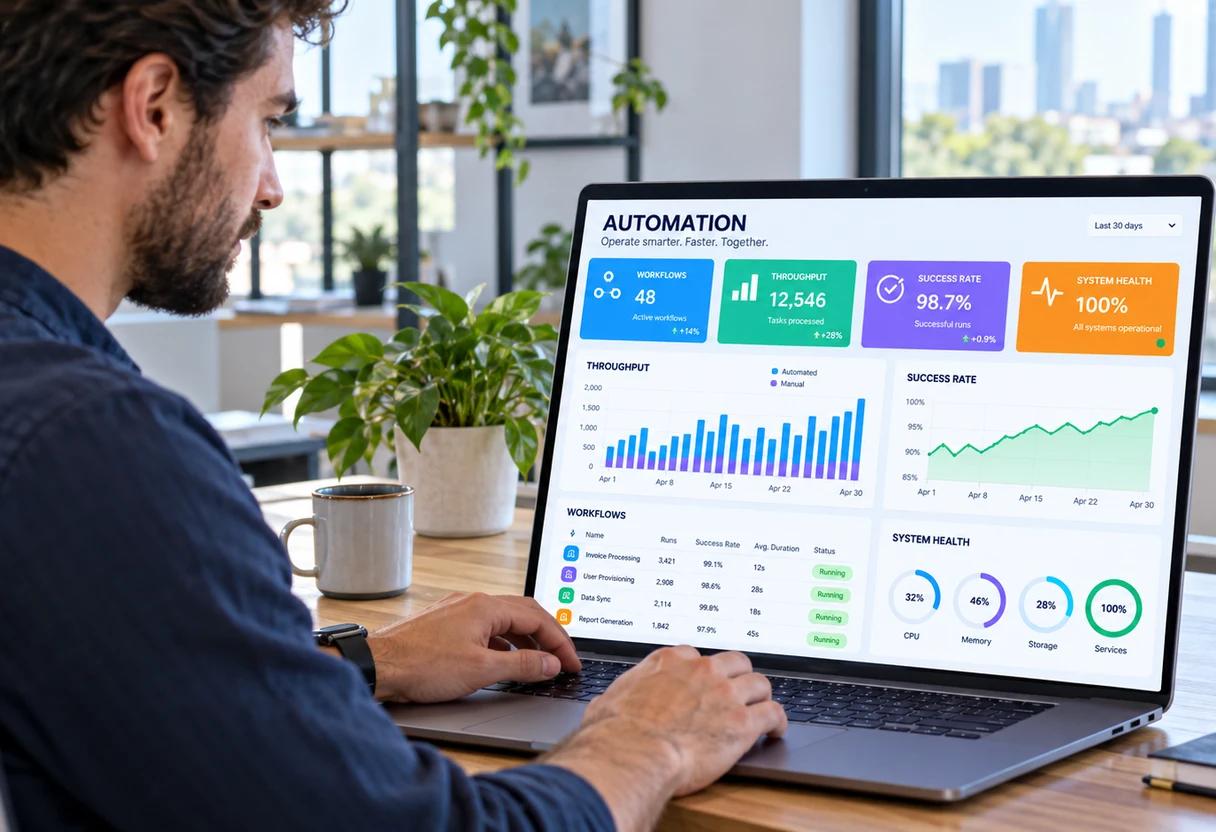
- Scripting and automation of repetitive IT tasks, patch cycles, user provisioning, report generation, backups, and similar routine work
- Integration of existing tools to reduce duplicate data entry and manual coordination between systems
- AI-assisted automation where appropriate (alert triage, ticket routing, anomaly flagging) layered on top of solid process fundamentals
- Validation and testing before any automation touches production workflows
Tool and license rationalization
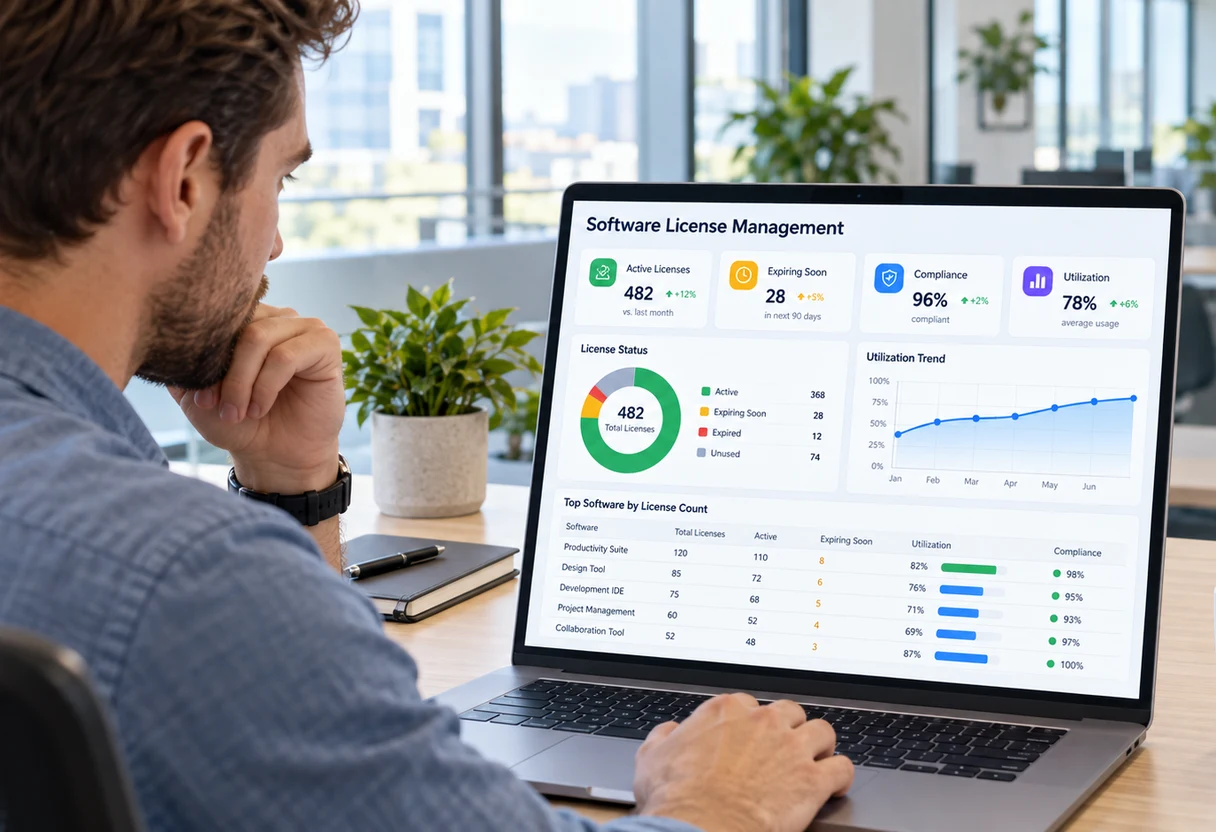
- Inventory of current software, SaaS subscriptions, and licensing contracts
- Identification of overlapping capabilities and underutilized tools consuming budget
- Consolidation recommendations with transition plans that minimize disruption
- Ongoing advisory on license right-sizing as your needs evolve

ITIL-aligned service process design
- Structured incident management: logging, classification, escalation paths, and resolution tracking
- Change management process design, risk assessment, approval gates, rollback procedures, and change calendar hygiene
- Service request workflows that reduce ad hoc interruptions and create predictable response times
- Problem management practices to surface and address recurring issues rather than repeatedly resolving the same symptoms

Runbooks and operational documentation
- Step-by-step runbooks for common IT tasks, incidents, and escalation scenarios
- Written in plain language your team can actually follow under pressure, not just in ideal conditions
- Stored and organized so they are accessible when needed, not buried in a shared drive no one maintains
- Living documentation, we build in a process for keeping it current as your environment changes

Change management and adoption support
- Stakeholder communication planning for process and tooling changes
- Training and knowledge transfer to your internal staff
- Structured rollout planning to reduce disruption during transitions
- Post-implementation review to confirm changes are holding and delivering expected results
Who it's for
This practice area is most valuable to organizations that have been running long enough to accumulate technical and process debt, typically businesses in the 20-to-500 employee range where IT has grown organically and the seams are starting to show.
You are a good fit if any of the following describe your situation:
- Your IT team spends a disproportionate amount of time on repetitive, low-value tasks that feel like they should already be handled automatically
- Onboarding a new employee, provisioning access, or resolving a common incident takes longer than it should and varies depending on who handles it
- You have overlapping tools, multiple platforms doing roughly the same job, and you are paying for all of them without a clear picture of what you actually need
- Incidents get resolved but come back. The same problems recur because the root cause was never formally addressed and no one documented the fix
- You have no consistent change management process, which means changes to production systems occasionally cause unplanned outages or undo work someone else just completed
- You are preparing for growth, an audit, a compliance initiative, or a technology transition and you know your current processes will not scale without work
This work is also relevant to organizations that are not in crisis but want to operate more efficiently before adding headcount. Adding people to a broken process makes the process more expensive, not better.
What you can expect
We engage on a project basis, fractional basis, or as a defined ongoing support arrangement, whatever matches your situation and budget. There is no requirement for a large upfront commitment or a long contract. Most engagements begin with a structured discovery phase where we get a clear picture of your current state before recommending anything.
On the delivery side, you can expect:
Honest assessment before solutions. We map what exists before prescribing changes. If your current tools are adequate and the real problem is process, we will tell you. If you are paying for redundant platforms and a consolidation would reduce cost without reducing capability, we will show you that specifically.
Documentation you will actually use. Runbooks and process documents are only valuable if they are written for the people who will use them and maintained as the environment changes. We build both of those requirements into how we deliver documentation.
Changes your team can absorb. Process improvement initiatives fail when they are handed to a team that was not involved in designing them and has no clear reason to change how they work. We include stakeholder communication and knowledge transfer as standard parts of implementation, not afterthoughts.
Measurable reduction in manual work. The purpose of this work is to reduce the time your team spends on tasks that do not require human judgment. We identify the target workflows upfront and confirm the reduction after implementation.
Frequently asked questions
What does a process improvement engagement actually start with?
Understanding how work really moves through your organization, not how it is supposed to move on paper. We sit with your team, map existing workflows end to end, and identify where manual steps, redundant tools, or undocumented hand-offs are costing time and creating risk. Recommendations follow that discovery.
Do you automate tasks, and with what tools?
Yes, with a tool-agnostic, right-sized approach. That can mean scripting routine maintenance (patching, user provisioning, backups, reporting), wiring existing platforms together to cut duplicate data entry, or applying AI-assisted tooling to ticket classification and alert triage. Automation is validated and tested before it touches production.
We are paying for several tools that seem to overlap. Can you help?
Yes. We inventory your current software, SaaS subscriptions, and licensing, identify overlapping capabilities and underutilized tools consuming budget, and provide consolidation recommendations with transition plans that minimize disruption.
What is ITIL and why does it matter here?
ITIL is a set of service management practices for incident, change, and request handling. We use it because structured processes measurably reduce errors and response time, not because frameworks are an end in themselves. We adapt the framework to your environment rather than forcing your environment to fit it.
Will my team actually adopt the changes?
That is designed in. Process initiatives fail when they are handed to a team that was not involved and has no reason to change. We include stakeholder communication, training, and knowledge transfer as standard parts of implementation, and we run a post-implementation review to confirm the changes are holding.

Let's cut the busywork
If your team is losing real hours to repetitive tasks or the same incidents keep coming back, we can map the workflow, automate what should be automated, and document the rest.
Or email: info@adaptiveips.com