IT Strategy & Planning for DFW Businesses
Most DFW businesses outgrow their current IT setup long before they realize it. Decisions made reactively, buying equipment when it breaks, switching vendors after a bad experience, adding headcount when the pain is already acute, quietly compound into cost overruns, security gaps, and infrastructure that blocks growth instead of enabling it. IT Strategy & Planning replaces that cycle with deliberate, business-aligned decision-making across a defined horizon.

What we do
We work with business owners and leadership teams to build a clear picture of where technology sits today, where the business is headed, and what it will take to get there without overbuilding or underinvesting. That means honest assessments of current infrastructure, structured roadmaps that sequence investments by priority and budget cycle, and ongoing advisory work that keeps the plan current as the business changes.
For companies that need executive-level IT leadership but are not in a position to hire a full-time CIO or IT director, we fill that role directly. A fractional engagement gives you a seat at the leadership table, someone who can run vendor negotiations, present to the board, own the technology budget, and make the calls that require both technical depth and business judgment. It is the same function, scaled to what you actually need.
What's included
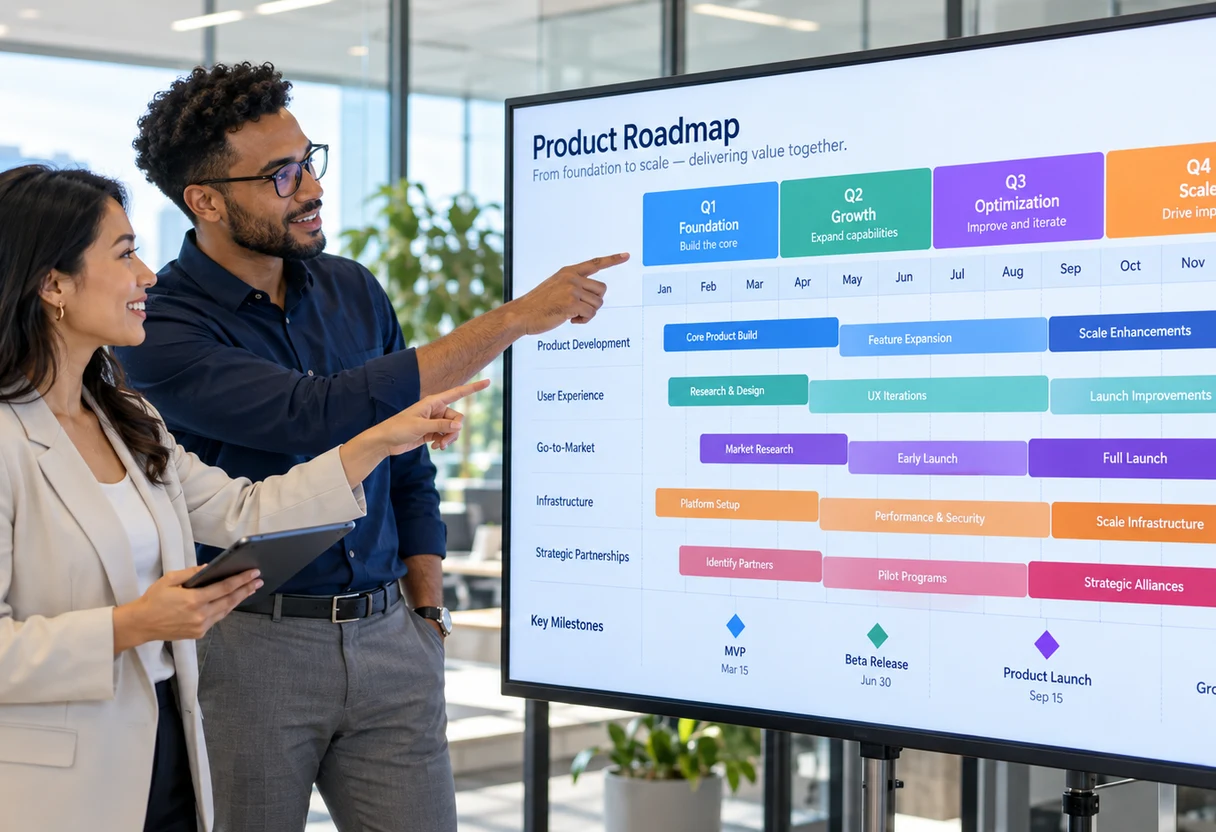
Multi-Year Technology Roadmaps
- Baseline assessment of current hardware, software, and infrastructure against business requirements
- Phased roadmap spanning two to five years, sequenced by business priority, risk, and budget availability
- Dependency mapping so you know what has to happen before what, and why
- Regular checkpoints to revise the roadmap as business conditions shift

IT Budgeting and Forecasting
- Structured annual and multi-year IT budget development, tied directly to business objectives
- Total cost of ownership analysis across major spend categories, licensing, hardware refresh, support, staffing, and cloud
- Forecasting models that distinguish between capital expenditures and operating costs, relevant to how your finance team plans
- Budget variance tracking and mid-year reforecasting support
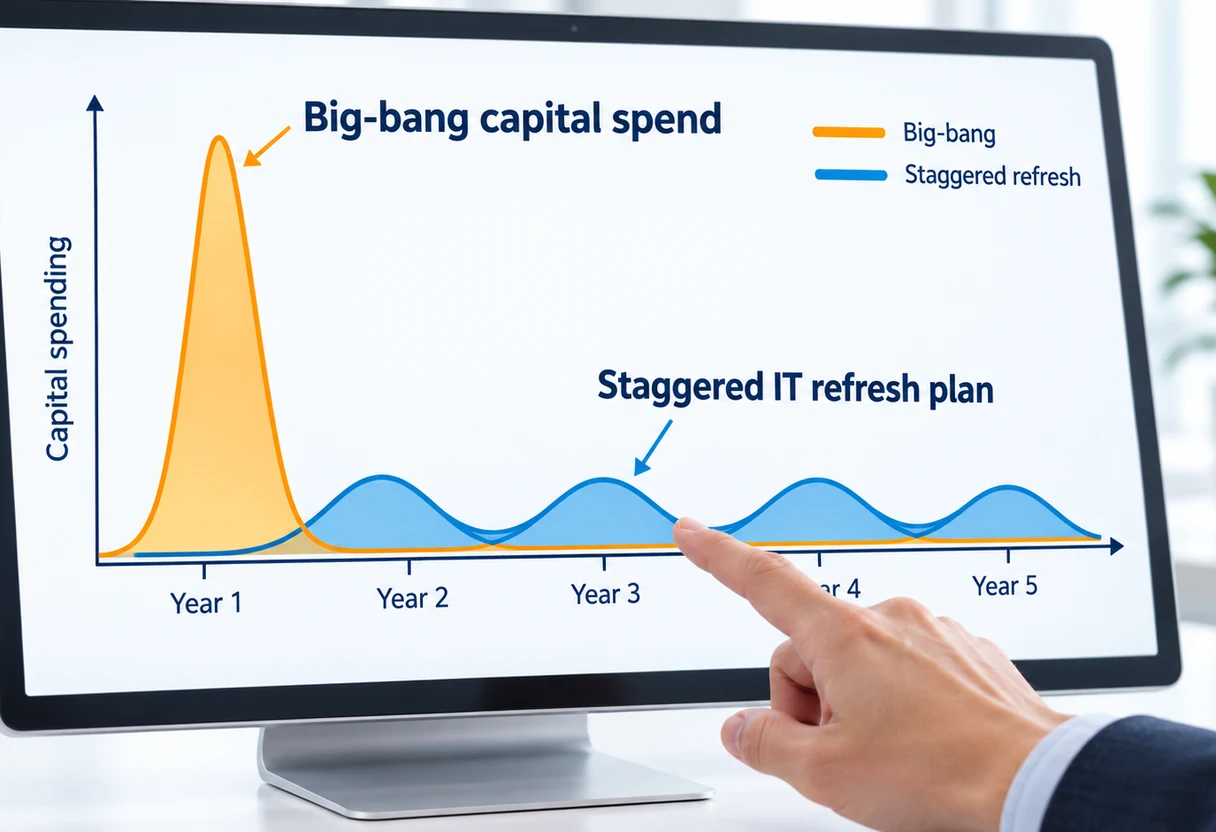
Hardware and Software Lifecycle Planning
- Full inventory and age assessment of endpoint devices, servers, networking equipment, and licensed software
- Refresh scheduling that avoids the cliff, staggered replacement cycles that prevent large, unplanned capital hits
- End-of-life and end-of-support tracking, so you know which systems are approaching a security or compliance boundary before they cross it
- Lease-versus-buy analysis and vendor financing evaluation where applicable
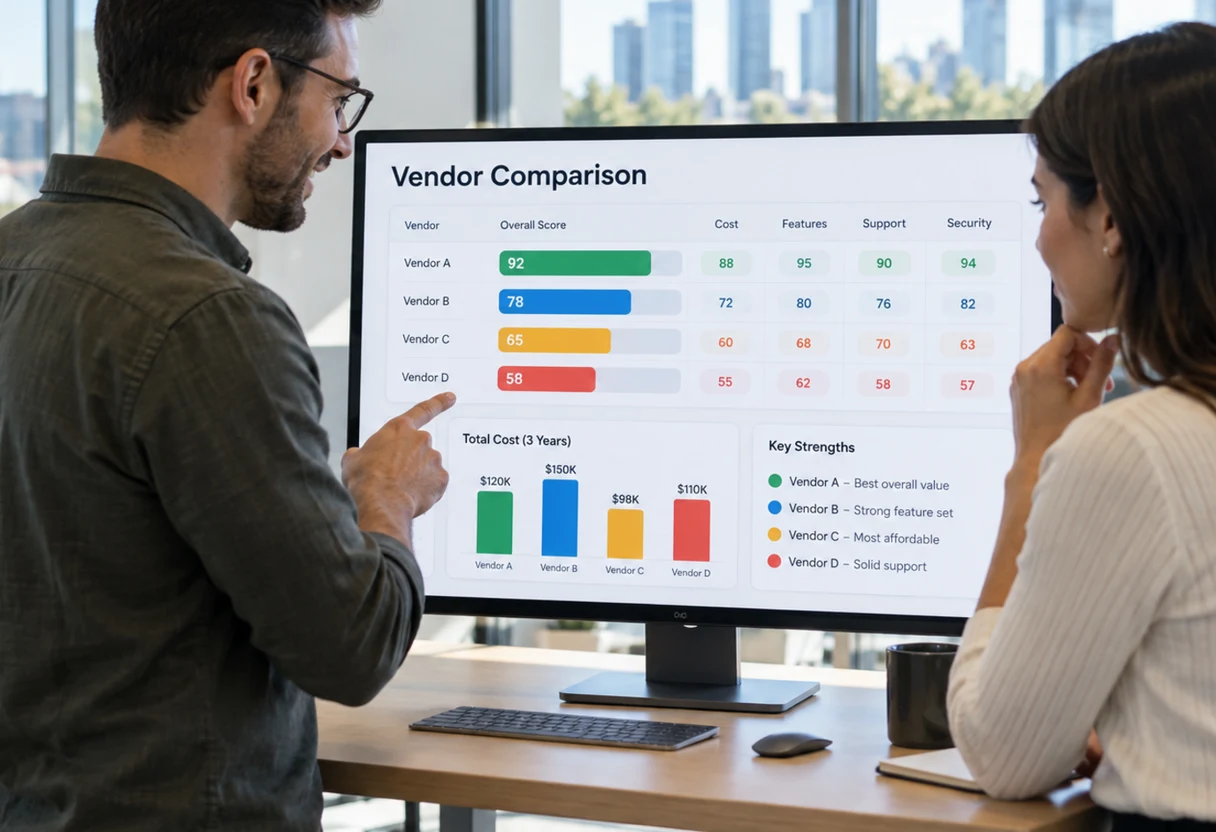
Vendor Evaluation and Selection
- Structured RFP and vendor scorecard development for major technology purchases or service contracts
- Competitive evaluation across shortlisted vendors, capability, pricing model, support quality, contract terms, and long-term viability
- Reference checks and independent due diligence, not dependent on vendor-provided references alone
- Contract review guidance: what to negotiate, what to avoid, and where the risk typically hides in standard vendor agreements

Fractional CIO / Virtual IT Director
- Ongoing executive-level IT leadership on a part-time or project basis
- Representation in leadership meetings, board sessions, and strategic planning cycles
- Ownership of the IT roadmap, vendor relationships, and technology budget on your behalf
- Escalation point for your internal team and direct coordination with any managed service providers or outside vendors already in place
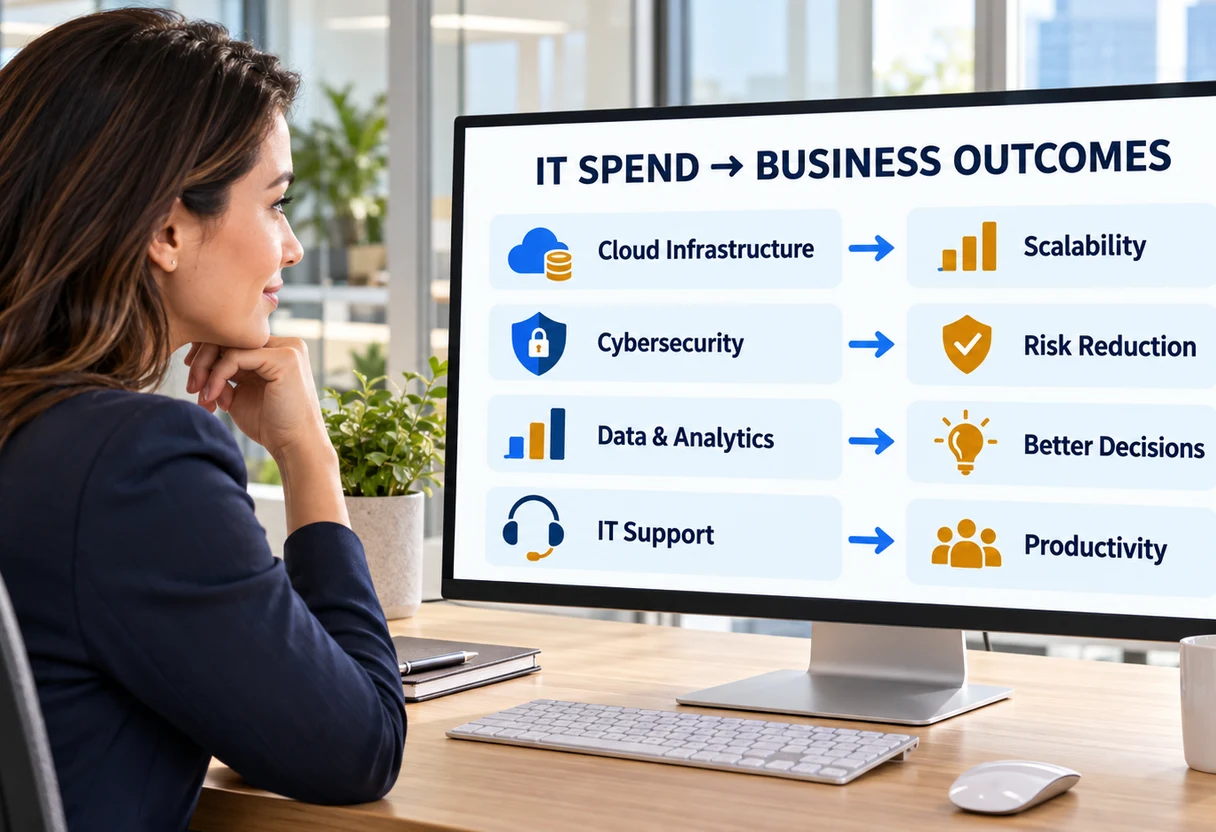
Aligning IT Spend with Business Goals
- Facilitated working sessions with business leadership to surface technology dependencies behind revenue, operations, and growth objectives
- IT investment prioritization framework that connects every major spend item to a measurable business outcome or risk reduction
- Regular reporting that translates technical decisions into business language, for leadership teams that do not want to wade through infrastructure details
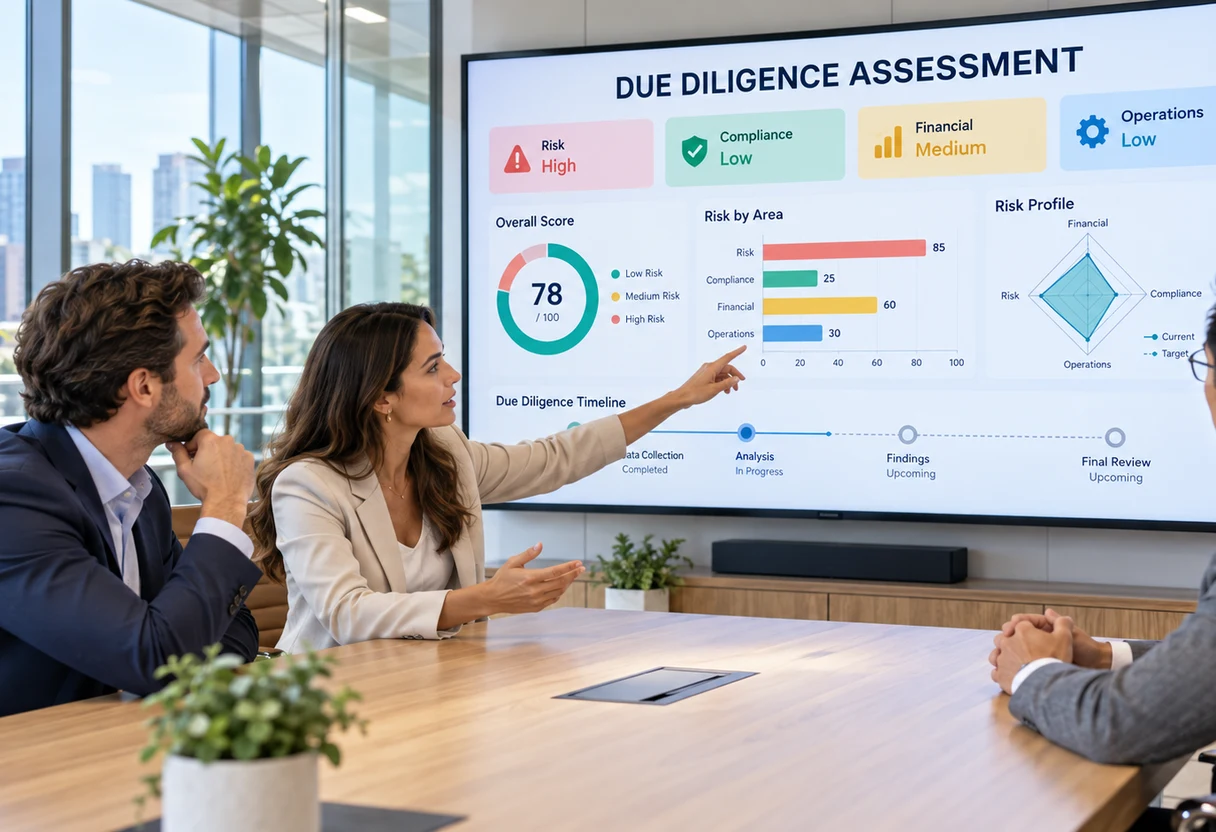
Technology Due Diligence for Growth, M&A, and New Locations
- Pre-acquisition or pre-merger technology assessment: infrastructure quality, technical debt, licensing posture, security exposure, and integration complexity
- New location planning: connectivity requirements, hardware standardization, identity and access management extension, and vendor coordination
- Post-transaction integration roadmaps that sequence the work and surface conflicts before they become operational problems
- Independent assessment position, we are not selling you the infrastructure we are evaluating, which matters when the findings need to be credible
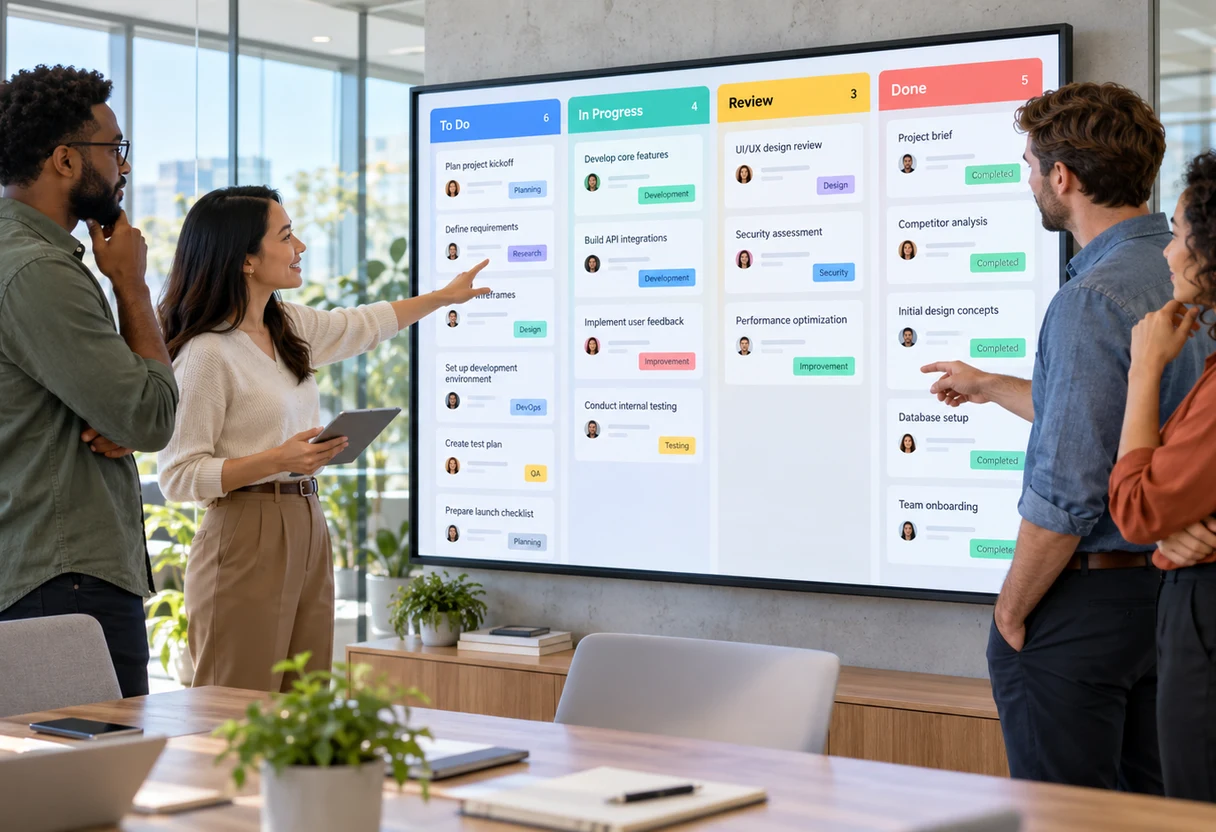
Digital Transformation Planning
- Current-state process mapping to identify where technology is a bottleneck, a risk, or an untapped efficiency
- Evaluation of automation, cloud, and platform modernization options against your actual operational context, not a generic framework
- Sequenced transformation roadmap that accounts for change management, staff capability, budget, and business continuity
- Realistic scope definition: what "transformation" means for a 50-person professional services firm is different from a 500-person manufacturer, and the plan reflects that
Who it's for
This practice area is most relevant to organizations in one of a few situations.
You are a growing business, anywhere from a few dozen to a few hundred employees, that has been making technology decisions reactively and wants to get ahead of the next wave of growth without building infrastructure you will outgrow in two years.
You are a business owner or COO who owns IT by default, does not have a dedicated technology executive on staff, and needs someone who can think strategically about technology investment without requiring a full-time hire.
You are preparing for a transaction, acquiring a company, opening new locations, or being evaluated by a potential acquirer, and need an independent, credible technology assessment that will hold up to scrutiny.
You are an IT director or manager who has the operational side under control but lacks bandwidth or organizational standing to drive long-term planning, vendor strategy, or budget conversations at the executive level.
Adaptive IP Services serves clients based in Frisco, the greater Dallas-Fort Worth metro, and remote engagements across the country. Delivery is structured to fit the engagement, project-based assessments, ongoing fractional retainers, or specific advisory support for a defined initiative.
What you can expect
An engagement in this area starts with a direct, structured conversation about where the business is, what leadership is trying to accomplish in the next twelve to thirty-six months, and where technology is either enabling or blocking that. There is no sales pitch for a predetermined solution and no pressure toward a specific vendor or platform.
From there, the work produces concrete, usable outputs, a written roadmap, a budget model, a vendor scorecard, an assessment report, not slide decks full of generic frameworks. Recommendations are specific to your environment, your business, and your constraints. If a particular investment does not make sense for your situation, that is what you will hear.
Engagements are structured without large upfront commitments or long-term lock-in. Work can be scoped as a one-time assessment, a defined project with a clear deliverable, or an ongoing fractional relationship. The engagement model is built to match the actual need rather than a packaged service tier.
Frequently asked questions
What is a fractional CIO or virtual IT director?
Executive-level IT leadership on a part-time or project basis. You get someone who can run vendor negotiations, present to the board, own the technology budget, and make calls that require both technical depth and business judgment, the same function as a full-time CIO, scaled to what you actually need.
What do we actually get out of a strategy engagement?
Concrete, usable outputs: a written multi-year roadmap, a budget model, a vendor scorecard, or an assessment report. Not slide decks full of generic frameworks. Recommendations are specific to your environment, business, and constraints.
We are acquiring a company or being acquired. Can you assess the technology?
Yes. We provide pre-acquisition technology due diligence covering infrastructure quality, technical debt, licensing posture, security exposure, and integration complexity, plus post-transaction integration roadmaps. We hold an independent position because we are not selling you the infrastructure we are evaluating, which matters when the findings need to be credible.
How do you keep IT spending tied to the business?
We build IT budgets tied directly to business objectives, run total-cost-of-ownership analysis across licensing, hardware, support, staffing, and cloud, and use an investment prioritization framework that connects every major spend item to a measurable business outcome or risk reduction.
Do we need to commit to a long-term contract?
No. Work can be scoped as a one-time assessment, a defined project with a clear deliverable, or an ongoing fractional relationship. The engagement model matches the actual need rather than a packaged service tier.

Let's get ahead of the next wave of growth
If you are making technology decisions reactively and want a deliberate plan, or you need executive-level IT leadership without a full-time hire, this is where that starts.
Or email: info@adaptiveips.com